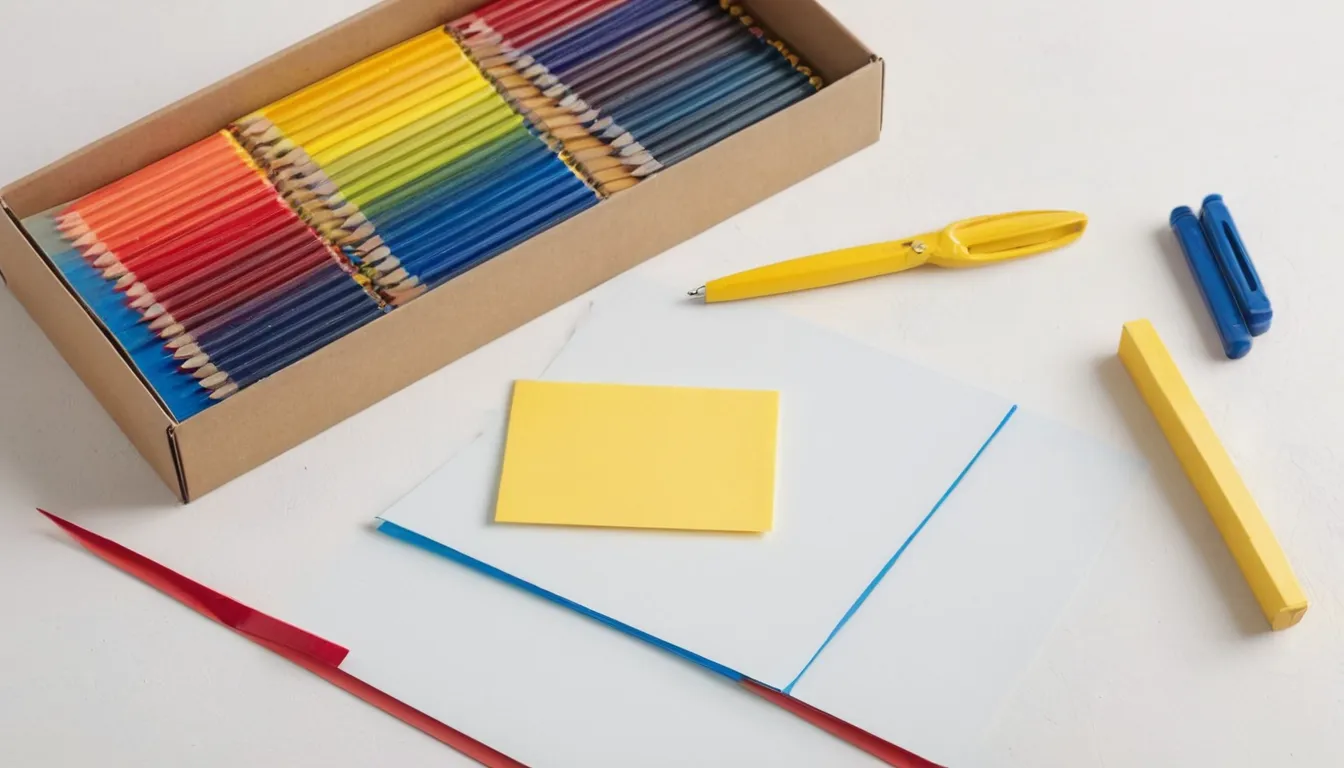
Paper and card stock
Paper thickness is sold by weight. In the US it is often given in pounds, and elsewhere in grams per square meter (gsm). The two systems use different base sheets, so a pound number on text paper and a pound number on cover stock do not compare directly. The gsm figure is easier to compare.
| Paper | Rough weight | Use it for |
|---|---|---|
| Printer or copy paper | about 75 to 90 gsm | Practice folds, quarter-fold cards, envelopes |
| Construction paper | varies, soft and thick | Collage and cut shapes. It fades in sunlight. |
| Light card stock | about 175 to 220 gsm | Most cards and pop-ups |
| Heavy card stock | about 250 to 300 gsm | Card covers. Score before folding. |
| Watercolor paper | often about 300 gsm | Painted cards that would wrinkle otherwise |
If you only buy one paper, choose a light card stock. It folds cleanly by hand, stands up on a shelf and is still thin enough for a child to cut.
Glue
Glue stick
The best first glue. It goes on where you put it, dries quickly and does not soak the paper. Purple glue sticks that dry clear help young children see where they have already glued.
White school glue
Stronger, and good for heavier things like yarn, fabric scraps and paper shapes that stick up. It is wet, so it can wrinkle thin paper. Teach "dot, dot, not a lot": small dots spread out under pressure.
Tape
Clear tape and paper tape are handy for envelopes and quick fixes. Double-sided tape gives a flat, clean join on cards. Children can tear paper tape by hand, which saves a trip to the scissors.
Hot glue and spray glue
Both are adult tools. Hot glue can burn skin, and spray glue spreads fumes and sticky mist. Use them yourself, away from children, if a project truly needs them. Most card projects do not.
Coloring and decorating
- Crayons work on any paper and do not bleed through.
- Washable markers give bold color. Test on scrap first, because some soak through thin paper.
- Colored pencils suit older kids who want detail.
- Watercolor or tempera paint needs thicker paper and drying time.
- Washable ink pads make thumbprint art and simple stamps.
- Stickers are great for toddlers learning to grip and peel.
Cutting and folding tools
Child scissors with blunt tips cut paper and light card and are safer for small hands. Left-handed children cut much more easily with left-handed scissors, because the blades sit the right way for them to see the line. A ruler, a pencil and an eraser cover marking. For scoring card stock, an adult can use a dull butter knife against a ruler.
Craft knives, rotary cutters and paper trimmers with exposed blades are adult-only. The safety page explains why and covers storage.
Read the label
Look for a statement on art and craft products that says the product has been reviewed for safety, and for any age guidance or warnings. In the US, many children's art supplies carry a seal from the Art and Creative Materials Institute showing a toxicologist has reviewed them. A seal does not make a product safe to eat or to use without supervision, so follow the directions on the package.